Table of Contents
A process may run successfully at two operating speeds and still fail during the transition between them. Acceleration, deceleration and winding or control changes can determine two speed motor suitability. Specify how the machine moves between steady states.
For YD multi-speed motors, the decision centers on transitions between operating conditions. This guide connects that question to equipment with a small number of defined operating speeds and the information an equipment buyer needs before approving a two speed motor. The result should be an approved transition sequence with two speed motor and machine limits, with the installation conditions visible to both the machine builder and the supplier.
The two speed motor decision for this project
The first risk is validating only steady speeds while ignoring transitions. In a project involving machine tools, staged ventilation and industrial production equipment, that risk needs to be checked against the actual equipment duty. A product family is a useful way to shortlist an option, but the selected two speed motor still needs an agreed operating requirement.
A pole-changing motor offers discrete speed arrangements rather than a continuously adjustable speed range. Power, torque and current can differ between the speed settings. A two speed motor selection must check every setting against its process duty and the transition between settings.
Defining Speed Changes and Ramp Times: the engineering method
List each transition, its starting and ending speed, load state and required time. Assess inertia and process torque through the transition. A shorter ramp demands more accelerating torque, while fast deceleration requires a destination for the stored energy.
For discrete-speed windings, use the two speed motor supplier’s approved connection and switching sequence. For converter-fed motors, check current limits, control stability and the driven machine’s restrictions. A transition that works unloaded may not be acceptable with material, pressure or stored energy in the system.
What to confirm about YD multi-speed motors
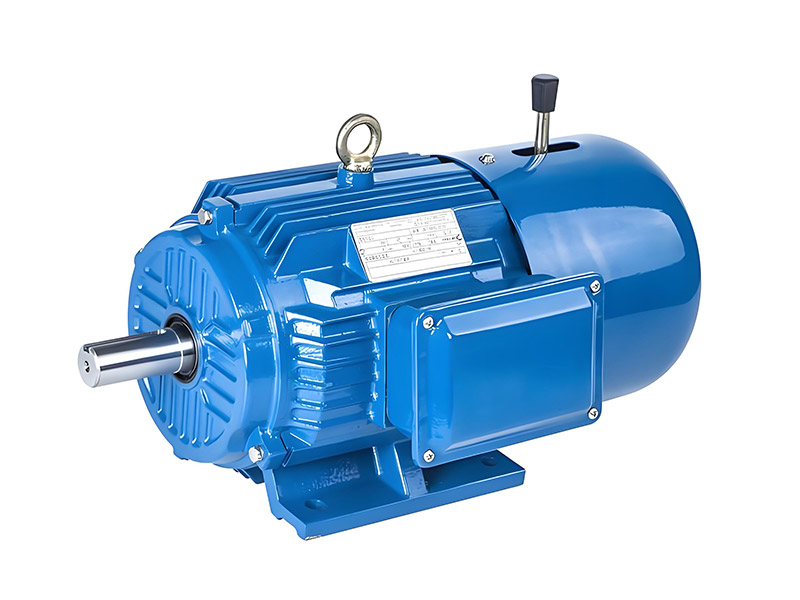
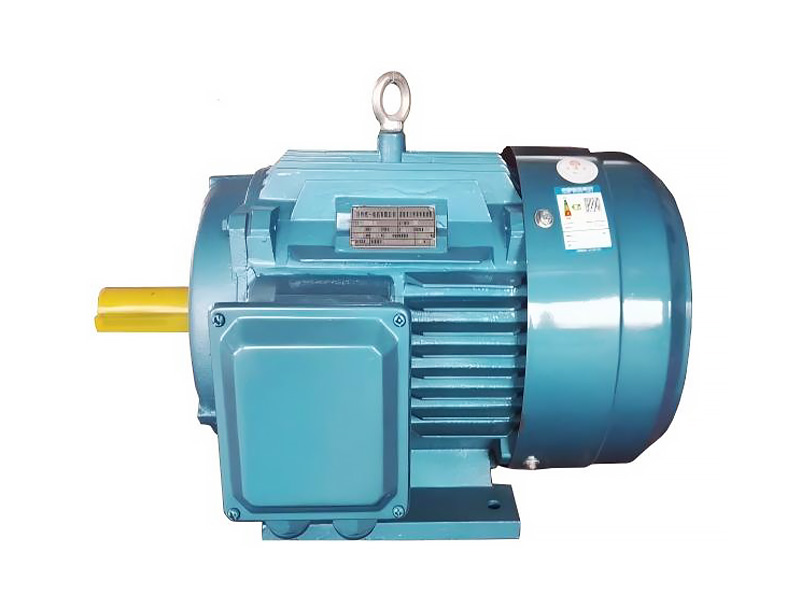
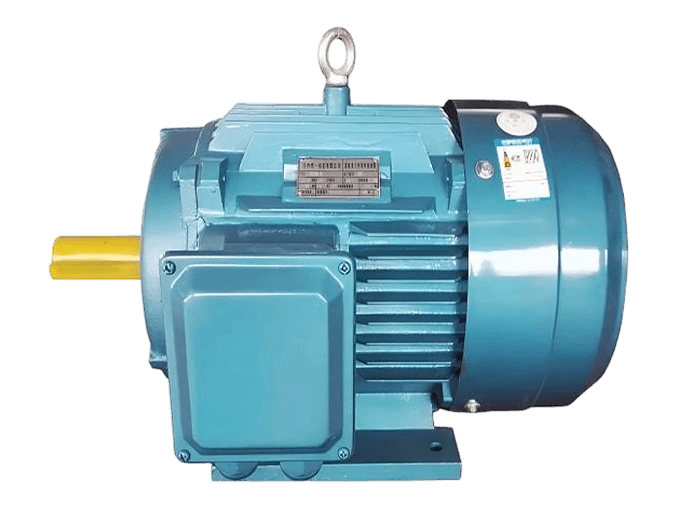
Tongyi’s YD variable-pole multi-speed two speed motor page compares frame numbers with several synchronous-speed combinations and power ratings. Actual loaded shaft speed is not identical to synchronous speed. Confirm the detailed two speed motor rating and connection diagram for the chosen combination.
Some online table cells are blank or use unusual power notation. A blank cell should not be interpreted as an available two speed motor rating or zero output. Require a clear model-specific schedule showing the power, speed, current and connection at each operating point.
Use the two speed motor supplier’s exact connection diagram and an interlocked control arrangement. The design must prevent incompatible connections from being energized together. Define whether a transition requires a stop, a delay or another approved sequence for the selected winding design.
Review Tongyi’s YD multi-speed motors information alongside the project requirement. For non-standard interfaces or operating conditions, use the engineering and customization service to resolve the offered configuration.
A worked screening example and its limits
An illustrative machine changes from low speed to high speed every 20 seconds. The selection needs the torque required during the change and the cumulative thermal effect, not only the two steady ratings. A proposed converter retrofit also needs review of the two speed motor insulation, cooling and control compatibility.
For YD multi-speed motors, supplement this screening example with time at each speed and transitions per hour and approved winding connection and interlocks. Compare the result with the confirmed operating envelope before choosing the final two speed motor configuration.
Compare the available approaches
| Decision | Defined selection | Alternative to evaluate | Evidence needed |
|---|---|---|---|
| Drive approach | YD motor with discrete speed settings | variable-frequency motor and converter | number of required speeds and transition duty |
| Project objective | an approved transition sequence with motor and machine limits | A quotation based on incomplete operating assumptions | speed-time and current-time traces |
| Electrical and controls | Supplier-confirmed motor and control data | Unconfirmed combination chosen by nominal power | power and current at every setting; approved winding connection and interlocks |
| Installation | Approved motor and mating-equipment drawings | Assumed fit from a similar frame | Interface dimensions, tolerances and service access |
| Release condition | Close documented deviations | Leave unresolved items visible | Accepted requirements tied to a model and revision |
Resolve this comparison using number of required speeds and transition duty, with speed-time and current-time traces recorded under the same useful operating duty.
Build the model-specific technical schedule
A change in two speed motor speed changes the driven machine’s operating condition. Check gear ratios, belt speed, fan power, pump duty and permissible acceleration. The mechanical system must remain within its limits at the highest speed and still work correctly at the lowest.
1. Required discrete loaded speeds.
2. Power and current at every setting.
3. Time at each speed and transitions per hour.
4. Approved winding connection and interlocks.
5. Driven-machine limits at each setting.
Commissioning and acceptance sequence
Ask the machine designer to provide a transition diagram or controller sequence. Include minimum dwell time, interlocks and the response to an interrupted transition. Have the supplier confirm the allowed switching or ramp conditions for the selected two speed motor.
Test transitions with representative load and record speed and current over time. Check repeatability across several cycles. Save the accepted sequence so a later production-rate change does not silently exceed the original duty.
Resolve the remaining application questions
List transitions that can happen after an interruption, not only the normal sequence. A restart while the shaft is still moving may require a different control response from a start at rest. The selected two speed motor and drive arrangement must support the intended behavior.
For discrete-speed motors, the exact winding design controls how switching may occur. Do not apply a generic internet diagram to an unknown terminal arrangement. Obtain the delivered two speed motor’s diagram and the supplier’s allowed switching conditions before the control panel is finalized.
For converter-fed machines, compare required ramp time with the available accelerating and braking capability. A ramp parameter is a command, not proof that the shaft follows it under load. Verify actual transitions and document any current limit, process restriction or enforced delay that defines acceptable operation.
Troubleshooting and changes after approval
A motor that runs normally at one setting but overheats at another may have a connection, loading or duty problem specific to that setting. Compare current and useful output at both settings. Do not assume that a successful high-speed test validates low-speed operation.
Two-speed, multi-speed and variable-frequency motors are different options. A YD two speed motor selection should not promise continuous speed regulation unless a separately approved arrangement provides it.
Prepare the final inquiry and evidence file
Send Tongyi the equipment description, the transitions between operating conditions requirement and the five technical items above. The required outcome is an approved transition sequence with two speed motor and machine limits. Keep the engineering scope as a discrete-speed machine duty with each two speed motor rating checked separately.
For broader technical context, consult U.S. Department of Energy motor and drive systems sourcebook. Use the applicable project requirements and model-specific supplier documents to make the final selection.
Ready to discuss the two speed motor requirement? Share your load, supply, installation drawing and the transitions between operating conditions target with Xuzhou Tongyi Motor. Ask for a model-specific technical review and quotation that addresses the open items in your two speed motor specification.
Frequently asked questions
What information is needed for this two speed motor selection?
Provide the equipment duty and the transitions between operating conditions, together with required discrete loaded speeds and time at each speed and transitions per hour. Ask the supplier to confirm a specific configuration.
What should be checked first for YD multi-speed motors?
Does every speed setting have an adequate torque rating? Resolve this against the actual load and installation. The answer should be traceable to the offered rating or drawing.
Can a standard two speed motor be substituted directly?
Only after the rating, interface, controls and operating conditions have been checked. For this project, number of required speeds and transition duty is central to the comparison.
What evidence supports defining speed changes and ramp times?
Obtain an approved transition sequence with motor and machine limits. Record speed-time and current-time traces under the agreed duty, and identify any requirement that still needs site verification.
How can Tongyi review the requirement?
Send the duty schedule and current interface information through the inquiry form. What transition sequence does the winding design require? Request a clear technical response before releasing the order.