Table of Contents
A pump motor must serve the pump and the hydraulic system together. One nominal flow or pressure value may not reveal the highest shaft demand. The complete pump curve and operating range help establish a defensible oil pump motor duty.
For Oil-pump oil pump motor applications, the decision centers on pump shaft demand across the operating range. This guide connects that question to hydraulic and lubrication power-unit oil pump motor selection and the information an equipment buyer needs before approving a motor. The result should be a pump and oil pump motor operating-point comparison, with the installation conditions visible to both the machine builder and the supplier.
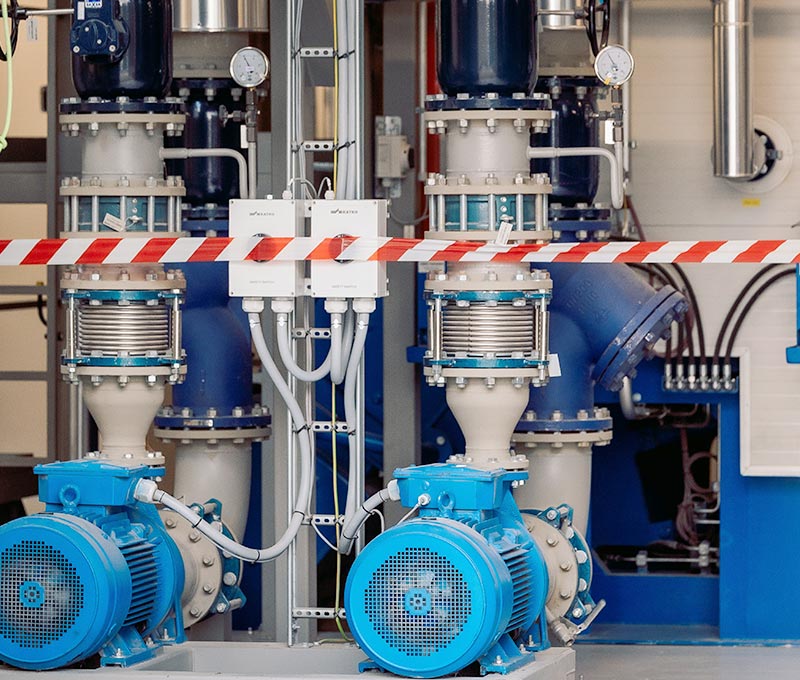
The oil pump motor decision for this project
The first risk is sizing from one nominal pump point without checking the full range. In a project involving oil pumps, hydraulic power units and lubrication equipment, that risk needs to be checked against the actual equipment duty. A product family is a useful way to shortlist an option, but the selected oil pump motor still needs an agreed operating requirement.
An oil-pump oil pump motor must match the pump’s shaft power and operating cycle. Hydraulic pressure and flow define useful hydraulic output, while pump losses add to the mechanical input requirement. Oil temperature and viscosity can make starting conditions more demanding than steady warm operation.
Matching a Pump Duty Point: the engineering method
For a liquid pump, hydraulic output is related to density, gravity, flow and head. Shaft demand is higher because the pump has losses. Use the pump supplier’s curve and efficiency information rather than assuming a single universal efficiency. Include the allowed operating range, fluid properties and possible off-design conditions.
Variable-speed control changes the operating point, but static head and system resistance influence the result. Affinity-law estimates can support screening under suitable conditions, yet they do not replace the real pump and system curves. Positive-displacement pumps need a different load assessment from centrifugal pumps.
What to confirm about Oil-pump motor applications
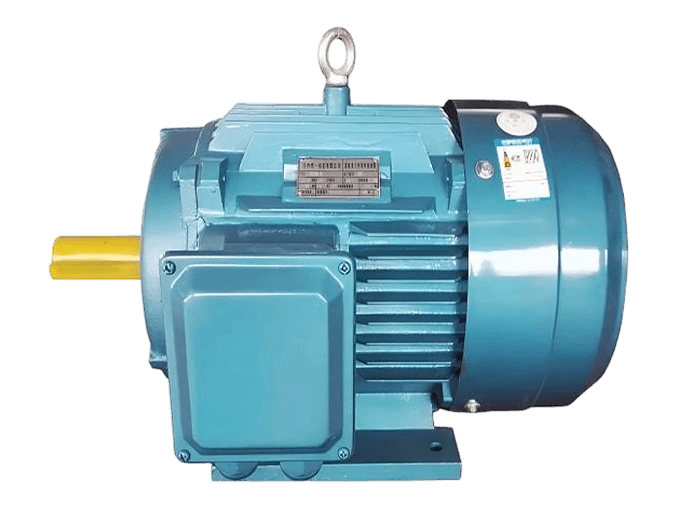
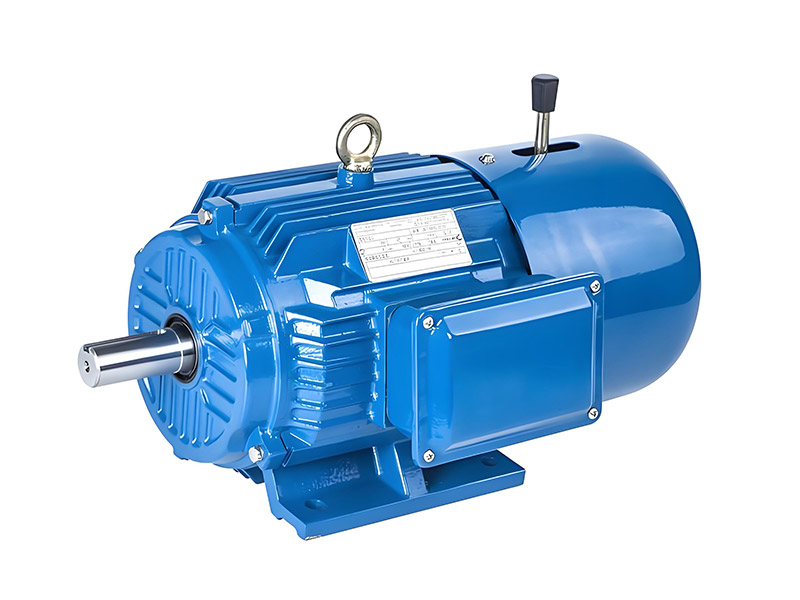
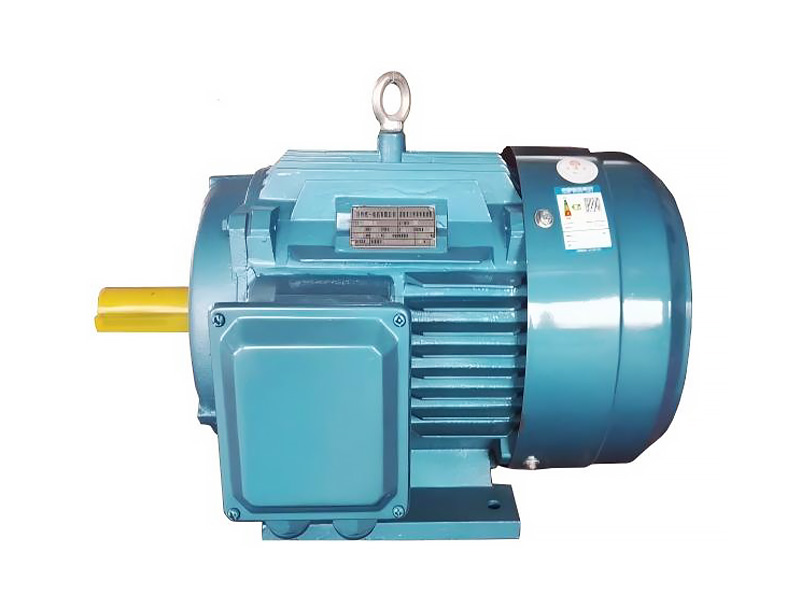
Tongyi’s home, about and application pages identify YYB oil-pump motors and support for hydraulic power units and lubrication systems. No separate YYB product detail page appears in the retrieved seven-product catalog. Treat YYB availability and ratings as an engineering inquiry rather than inventing a catalog model.
Do not substitute a generic pump-motor frame on the assumption that every flange and shaft fits. Pump pilot dimensions, coupling engagement, rotation and seal arrangements need a coordinated oil pump motor drawing. The pump supplier’s allowable shaft loads and alignment limits also matter.
Review the pump flange, pilot register, shaft connection and support arrangement. Misalignment can damage both oil pump motor and pump bearings. A compact power unit also needs access for coupling inspection, oil service and oil pump motor replacement.
Review Tongyi’s Oil-pump motor applications information alongside the project requirement. For non-standard interfaces or operating conditions, use the engineering and customization service to resolve the offered configuration.
A worked screening example and its limits
For illustration, water flow of 0.02 m³/s at 20 m head represents roughly 3.92 kW hydraulic output. At an assumed 70% pump efficiency, shaft demand is about 5.6 kW. Actual oil pump motor selection must use the pump’s verified efficiency, operating envelope, startup conditions and required margin.
For Oil-pump oil pump motor applications, supplement this screening example with oil temperature and viscosity at startup and pump flange and shaft interface drawing. Compare the result with the confirmed operating envelope before choosing the final oil pump motor configuration.
Compare the available approaches
| Decision | Defined selection | Alternative to evaluate | Evidence needed |
|---|---|---|---|
| Drive approach | motor matched to the hydraulic duty | generic replacement chosen by kilowatts alone | cold-start torque and pump interface compatibility |
| Project objective | a pump and motor operating-point comparison | A quotation based on incomplete operating assumptions | flow, head, shaft speed and input demand |
| Electrical and controls | Supplier-confirmed motor and control data | Unconfirmed combination chosen by nominal power | pump shaft-power or efficiency data; pump flange and shaft interface drawing |
| Installation | Approved motor and mating-equipment drawings | Assumed fit from a similar frame | Interface dimensions, tolerances and service access |
| Release condition | Close documented deviations | Leave unresolved items visible | Accepted requirements tied to a model and revision |
Resolve this comparison using cold-start torque and pump interface compatibility, with flow, head, shaft speed and input demand recorded under the same useful operating duty.
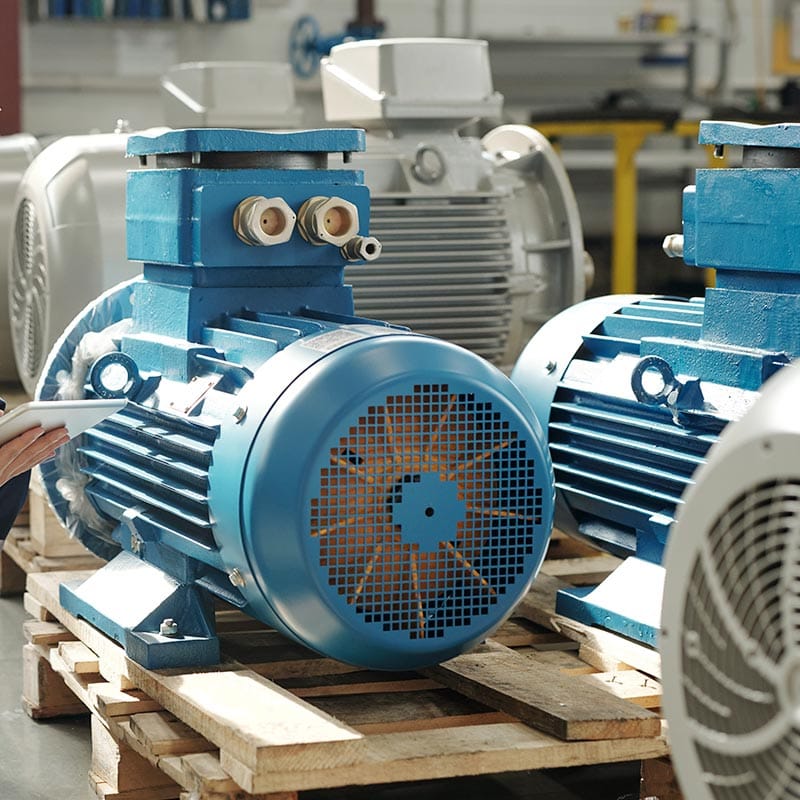
Build the model-specific technical schedule
Pressure control, unloading valves and variable-speed control create different oil pump motor duties. Confirm minimum pump speed, lubrication needs and the response to pressure demand. An oil pump motor drive cannot make a pump operate safely outside the pump manufacturer’s permitted range.
1. Pressure and flow across the operating cycle.
2. Pump shaft-power or efficiency data.
3. Oil temperature and viscosity at startup.
4. Pump flange and shaft interface drawing.
5. Unloading and pressure-control sequence.
Commissioning and acceptance sequence
Request the pump curve, fluid schedule, minimum and maximum duty points and coupling oil pump motor drawing. Check whether the oil pump motor must tolerate operation beyond the preferred point or whether controls prevent it. Define dry-running, blocked-flow or pressure-protection responsibilities at the system level.
During commissioning, record flow, pressure, speed and electrical demand together. Verify the required process output and compare the measured point with the pump data. A current reading alone does not establish that the hydraulic duty is correct.
Resolve the remaining application questions
Identify the condition that produces the maximum absorbed shaft power, not only the preferred operating point. The answer depends on pump type and its curve. Ask the pump supplier which operating states are permitted and whether controls prevent operation outside them.
Keep the fluid data current. Density, viscosity and temperature can change hydraulic behavior and the torque required to start or run. An oil pump motor duty derived for water may not be appropriate for a viscous oil service. Include the coldest credible startup condition and the warm continuous condition separately.
Mechanical and hydraulic acceptance should be coordinated. Check rotation, coupling alignment and the actual duty point under the site’s safe commissioning procedure. Record the valve or control state with the measured flow and pressure. Without that context, an electrical power reading is difficult to interpret or reproduce.
Troubleshooting and changes after approval
High current during cold startup may reflect viscous oil, an unloading problem or an unsuitable acceleration condition. Check the hydraulic circuit as well as the electrical drive. A larger oil pump motor can conceal an avoidable process loss without solving the cause.
The presence of an oil-pump application on a service page does not establish any particular YYB voltage, power range or certification.
Prepare the final inquiry and evidence file
Send Tongyi the equipment description, the pump shaft demand across the operating range requirement and the five technical items above. The required outcome is a pump and oil pump motor operating-point comparison. Keep the engineering scope as application engineering supported by a confirmed oil pump motor supplier quotation.
For broader technical context, consult U.S. Department of Energy motor and drive systems sourcebook. Use the applicable project requirements and model-specific supplier documents to make the final selection.
Ready to discuss the oil pump motor requirement? Share your load, supply, installation drawing and the pump shaft demand across the operating range target with Xuzhou Tongyi Motor. Ask for a model-specific technical review and quotation that addresses the open items in your oil pump motor specification.
Frequently asked questions
What information is needed for this oil pump motor selection?
Provide the equipment duty and the pump shaft demand across the operating range, together with pressure and flow across the operating cycle and oil temperature and viscosity at startup. Ask the supplier to confirm a specific configuration.
What should be checked first for Oil-pump motor applications?
What is the maximum pump shaft-power requirement? Resolve this against the actual load and installation. The answer should be traceable to the offered rating or drawing.
Can a standard oil pump motor be substituted directly?
Only after the rating, interface, controls and operating conditions have been checked. For this project, cold-start torque and pump interface compatibility is central to the comparison.
What evidence supports matching a pump duty point?
Obtain a pump and motor operating-point comparison. Record flow, head, shaft speed and input demand under the agreed duty, and identify any requirement that still needs site verification.
How can Tongyi review the requirement?
Send the duty schedule and current interface information through the inquiry form. Does cold oil change the starting torque? Request a clear technical response before releasing the order.