Table of Contents
A request for a quiet low noise motor needs a measurable acoustic requirement. Without a defined quantity and operating condition, two apparently similar sound values may describe different tests. Agree the measurement basis before choosing equipment.
For Low-noise low noise motor applications, the decision centers on comparable sound measurements under real duty. This guide connects that question to noise-sensitive industrial motor installations and the information an equipment buyer needs before approving a low noise motor. The result should be a measurable acoustic requirement and matched acceptance method, with the installation conditions visible to both the machine builder and the low noise motor supplier.
The low noise motor decision for this project
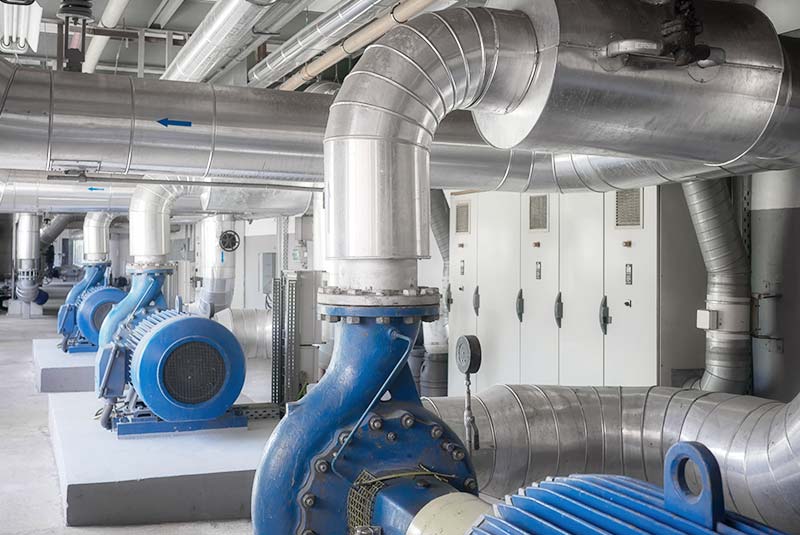
The first risk is comparing unspecified decibel values from different test arrangements. In a project involving ventilation, production machinery and equipment near occupied spaces, that risk needs to be checked against the actual equipment duty. A product family is a useful way to shortlist an option, but the selected low noise motor still needs an agreed operating requirement.
Noise from a motor-driven machine can include electromagnetic sound, cooling-fan noise, bearing noise and vibration transmitted through the structure. Reducing low noise motor sound alone may leave the dominant machine noise unchanged. Define the measurement location and operating condition before setting a requirement.
Writing an Acoustic Acceptance Requirement: the engineering method
State whether the requirement concerns sound pressure at a location or sound power from the source. Record speed, load, mounting, background noise and the measurement arrangement. The installed machine may have several sound sources, including the driven equipment and structural radiation.
Compare proposals on the same basis and identify which result belongs to a motor-only test and which belongs to the completed machine. A lower low noise motor sound value does not guarantee the same reduction at an operator position. Thermal and ventilation constraints must remain visible when acoustic treatment is proposed.
What to confirm about Low-noise motor applications
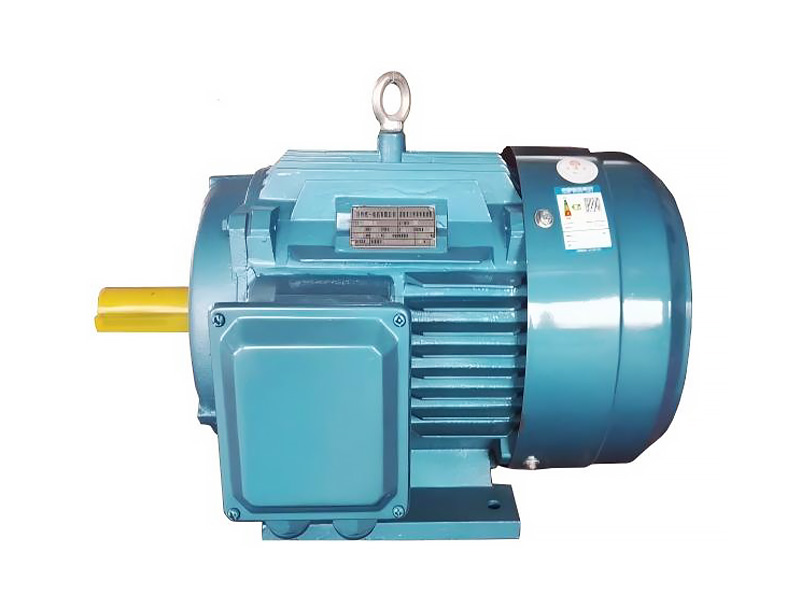
Tongyi identifies YZC low-noise motors on its about page. The retrieved product catalog does not include a separate YZC detail page. Request a model-specific offer and acoustic test conditions instead of assigning the noise claim of another series to YZC.
A sound pressure value depends on distance, environment, mounting, load and measurement method. It cannot be compared directly with an unspecified sound power value. Require the same quantity and stated conditions when comparing low noise motor supplier proposals.
Resonance, misalignment and rigid structural paths can amplify a modest low noise motor excitation. Review base stiffness, coupling condition, isolation arrangement and attached panels. A balancing requirement should be connected to the actual mounted equipment, not treated as a substitute for system diagnosis.
Review Tongyi’s Low-noise motor applications information alongside the project requirement. For non-standard interfaces or operating conditions, use the engineering and customization service to resolve the offered configuration.
A worked screening example and its limits
An illustrative supplier gives a value measured near an unloaded low noise motor, while the customer’s requirement concerns an operator position beside a loaded fan assembly. Those figures cannot be compared directly. The acceptance plan should define the completed operating condition and the method used to separate background noise.
For Low-noise low noise motor applications, supplement this screening example with speed range and dominant tonal frequencies and base stiffness and vibration transmission path. Compare the result with the confirmed operating envelope before choosing the final low noise motor configuration.
Compare the available approaches
| Decision | Defined selection | Alternative to evaluate | Evidence needed |
|---|---|---|---|
| Drive approach | motor and mounting selected against an acoustic specification | motor replacement without a system noise diagnosis | comparable sound measurements and thermal suitability |
| Project objective | a measurable acoustic requirement and matched acceptance method | A quotation based on incomplete operating assumptions | specified sound quantity at defined duty and locations |
| Electrical and controls | Supplier-confirmed motor and control data | Unconfirmed combination chosen by nominal power | measurement distance and operating condition; base stiffness and vibration transmission path |
| Installation | Approved motor and mating-equipment drawings | Assumed fit from a similar frame | Interface dimensions, tolerances and service access |
| Release condition | Close documented deviations | Leave unresolved items visible | Accepted requirements tied to a model and revision |
Resolve this comparison using comparable sound measurements and thermal suitability, with specified sound quantity at defined duty and locations recorded under the same useful operating duty.
Build the model-specific technical schedule
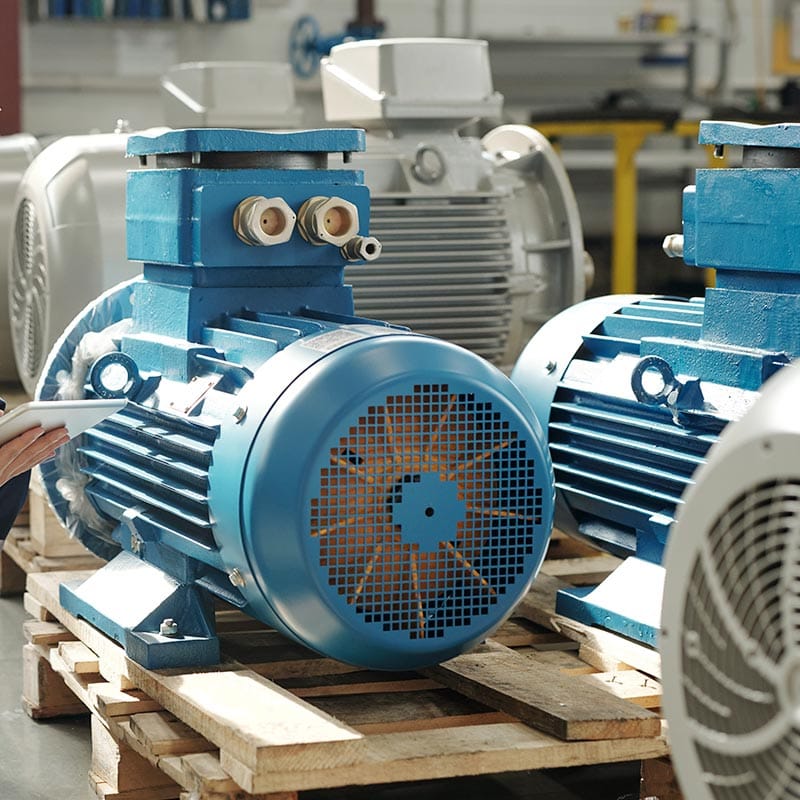
Changing cooling arrangements to reduce noise can affect heat removal. An acoustic enclosure can also recirculate hot air. Agree the thermal conditions together with the sound target, particularly where the low noise motor operates continuously or at low speed.
1. Sound pressure or sound power requirement.
2. Measurement distance and operating condition.
3. Speed range and dominant tonal frequencies.
4. Base stiffness and vibration transmission path.
5. Cooling-air temperature inside any acoustic treatment.
Commissioning and acceptance sequence
Map the important operating speeds and positions where sound matters. Ask for the low noise motor supplier’s test basis and any limitations. Include vibration and enclosure design in the review when they influence installed noise.
Repeat the agreed measurements after installation under representative duty. Retain the speed and load record with the result. If a tone appears only at one speed, investigate the source and structural response before promising that another low noise motor will remove it.
Resolve the remaining application questions
Map the locations where sound matters to the customer, such as an operator station or the boundary of an equipment enclosure. State the process and operating speeds used for acceptance. The low noise motor’s own laboratory value can support selection while still leaving the installed machine requirement to be verified.
Separate tonal problems from a general increase in sound level where the investigation requires it. A narrow tone that appears at one converter frequency or shaft speed can point to a different remedy from broadband airflow noise. Record the operating condition so the low noise motor supplier can reproduce the question.
Any acoustic enclosure or isolation change should be checked for cooling, access and mechanical consequences. Reducing a sound path while trapping hot air can create another reliability problem. Accept the final arrangement under the real duty and retain both acoustic and thermal observations in the machine record.
Troubleshooting and changes after approval
A new tone or vibration may appear only in a narrow speed band because the structure resonates. Log the speed and load at which it occurs. Replacing the low noise motor without identifying the frequency and transmission path may leave the same problem in place.
Do not promise a specific decibel reduction or transfer the TYP page’s headline noise value to an unconfirmed YZC model.
Prepare the final inquiry and evidence file
Send Tongyi the equipment description, the comparable sound measurements under real duty requirement and the five technical items above. The required outcome is a measurable acoustic requirement and matched acceptance method. Keep the engineering scope as a measurable installed-noise objective without an unsupported reduction claim.
For broader technical context, consult U.S. Department of Energy motor and drive systems sourcebook. Use the applicable project requirements and model-specific supplier documents to make the final selection.
Ready to discuss the low noise motor requirement? Share your load, supply, installation drawing and the comparable sound measurements under real duty target with Xuzhou Tongyi Motor. Ask for a model-specific technical review and quotation that addresses the open items in your low noise motor specification.
Frequently asked questions
What information is needed for this low noise motor selection?
Provide the equipment duty and the comparable sound measurements under real duty, together with sound pressure or sound power requirement and speed range and dominant tonal frequencies. Ask the supplier to confirm a specific configuration.
What should be checked first for Low-noise motor applications?
Are quoted sound values measured on the same basis? Resolve this against the actual load and installation. The answer should be traceable to the offered rating or drawing.
Can a standard low noise motor be substituted directly?
Only after the rating, interface, controls and operating conditions have been checked. For this project, comparable sound measurements and thermal suitability is central to the comparison.
What evidence supports writing an acoustic acceptance requirement?
Obtain a measurable acoustic requirement and matched acceptance method. Record specified sound quantity at defined duty and locations under the agreed duty, and identify any requirement that still needs site verification.
How can Tongyi review the requirement?
Send the duty schedule and current interface information through the inquiry form. Which part of the machine dominates the noise? Request a clear technical response before releasing the order.