Table of Contents
Introduction
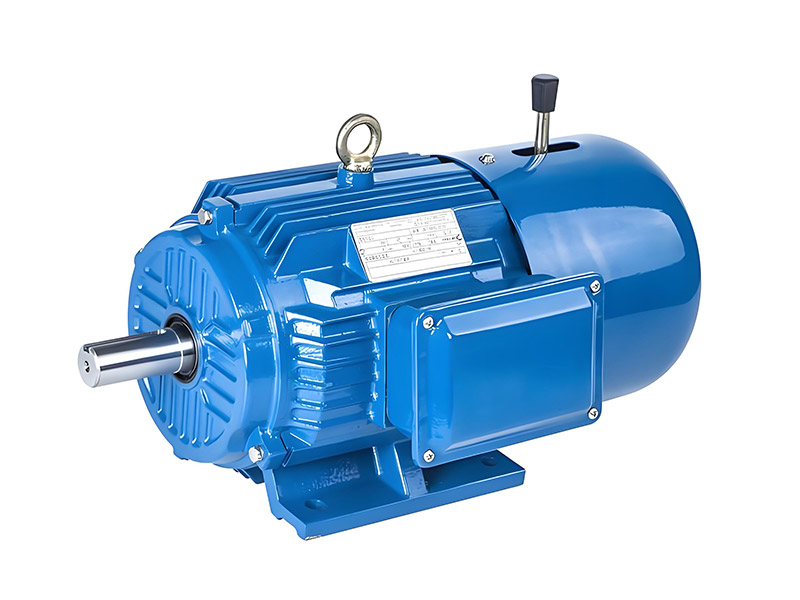
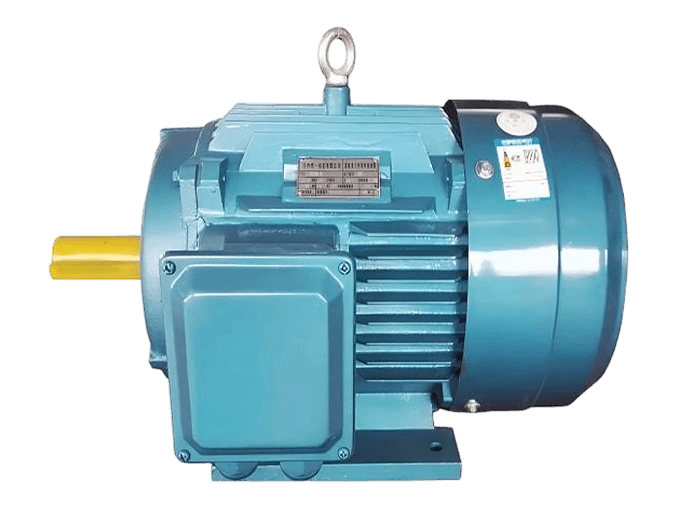
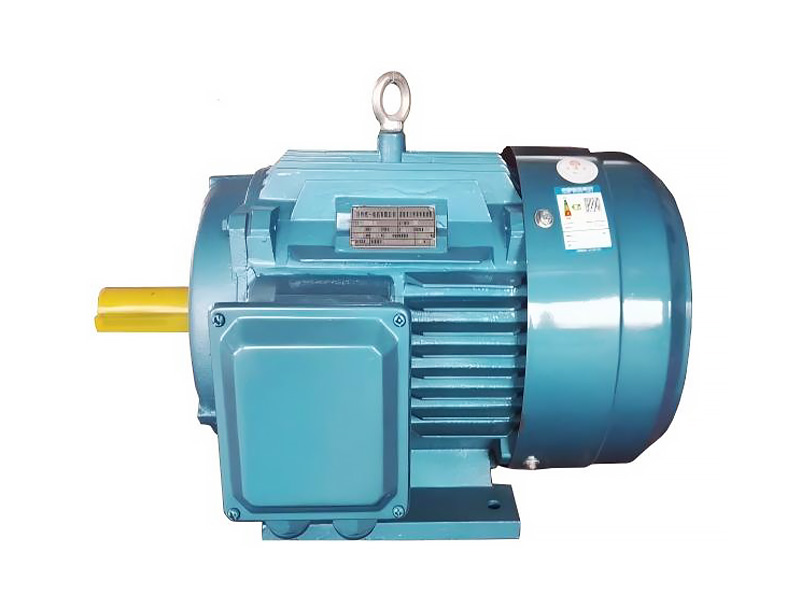
The construction of a three phase induction motor determines its performance, efficiency, durability, and suitability for industrial applications. Although induction motors are based on a relatively simple operating principle, their internal structure includes carefully designed electrical, magnetic, mechanical, and cooling components that work together to produce reliable rotation.
Understanding three phase induction motor construction helps engineers and industrial buyers evaluate why different motor designs have different efficiency levels, speed characteristics, protection ratings, and operating capabilities. Components such as the stator, rotor, shaft, bearings, housing, cooling system, and insulation materials all influence the final motor performance.
Industrial equipment often operates under demanding conditions, including continuous operation, variable loads, dust, humidity, vibration, and high temperatures. Therefore, the construction quality of a three phase induction motor directly affects service life, maintenance requirements, and operating stability.
This article explains the major components involved in three phase induction motor construction, how each part contributes to motor operation, and what factors should be considered when selecting an industrial motor.
Basic Structure of Three Phase Induction Motor Construction
The construction of a three phase induction motor consists mainly of two electromagnetic sections and several mechanical supporting components.
The two primary electrical components are:
- Stator
- Rotor
The stator creates the rotating magnetic field, while the rotor receives induced current and converts electromagnetic energy into mechanical rotation.
The mechanical structure includes:
- Shaft
- Bearings
- Frame
- End shields
- Cooling fan
- Terminal box
- Insulation system
Each part has a specific role in maintaining efficient energy conversion and reliable operation.
A complete understanding of three phase induction motor construction requires looking at both electrical design and mechanical design because the motor must convert electrical energy into mechanical output while maintaining suitable temperature, strength, and reliability.
Stator Construction in a Three Phase Induction Motor
The stator is the stationary part of the motor and plays a central role in three phase induction motor construction.
It consists of three major elements:
- Stator frame
- Laminated stator core
- Three-phase winding
The stator frame provides mechanical support and protects the internal electrical components. Industrial motors commonly use strong metal housings designed to withstand vibration and environmental conditions.
Inside the frame is the laminated stator core. Instead of using a single solid piece of magnetic material, the core is made from many thin steel laminations stacked together.
This laminated design reduces eddy current losses, improving motor efficiency and reducing unnecessary heat generation.
The stator slots contain insulated copper windings. When three-phase electrical power is supplied, current flows through these windings and produces a rotating magnetic field.
The design of these windings affects:
- Rated voltage
- Frequency capability
- Pole number
- Current characteristics
- Efficiency
- Temperature rise
For this reason, stator design is one of the most important parts of three phase induction motor construction.
Rotor Construction and Its Function
The rotor is the rotating component located inside the stator.
In most industrial three phase induction motors, the rotor uses a squirrel-cage structure. This design consists of conductive bars placed inside rotor slots and connected together by end rings.
The rotor does not normally receive electrical power directly from an external source. Instead, current is induced through electromagnetic interaction with the stator’s rotating magnetic field.
This feature is one of the reasons squirrel-cage motors are widely used in industrial applications. The rotor structure is mechanically strong, requires limited maintenance, and can operate reliably under continuous-duty conditions.
The main characteristics of rotor construction include:
- Strong mechanical design
- Low maintenance requirements
- Reliable operation
- Suitable torque production
- Good resistance to industrial operating conditions
In some specialized motors, different rotor designs may be used depending on application requirements. However, squirrel-cage rotor construction remains the most common solution for general industrial drives.
Rotor and Stator Air Gap Design
The air gap between the stator and rotor is a small but critical part of three phase induction motor construction.
The air gap must be carefully controlled.
A smaller air gap can improve magnetic performance because the magnetic path has lower resistance. However, the gap must still allow sufficient mechanical clearance between rotating and stationary parts.
If the air gap is too large:
- Magnetizing current may increase
- Efficiency may decrease
- Power factor may be affected
If the air gap is too small:
- Manufacturing tolerance becomes more difficult
- Mechanical interference risk increases
- Vibration problems may occur
Therefore, air gap design requires a balance between electrical performance and mechanical reliability.
Shaft and Mechanical Structure
The shaft transfers mechanical power from the rotor to the connected equipment.
During three phase induction motor construction, shaft design must consider:
- Motor output power
- Torque requirements
- Coupling method
- Mechanical loading
- Operating speed
A properly designed shaft ensures that the motor can transmit power without excessive deformation or vibration.
Industrial motors may drive different types of equipment, including pumps, fans, compressors, conveyors, and production machinery. Each application creates different mechanical demands on the shaft system.
The shaft is supported by bearings, which allow smooth rotation while maintaining accurate rotor positioning.
Bearing System in Motor Construction
Bearings are essential mechanical components in three phase induction motor construction.
Their main function is to support the rotating shaft and reduce friction during operation.
Common bearing considerations include:
- Load capacity
- Lubrication requirements
- Operating speed
- Temperature conditions
- Maintenance requirements
Bearing failure is one of the common causes of motor downtime. Excessive vibration, misalignment, poor lubrication, contamination, and improper installation can reduce bearing life.
For industrial applications, bearing selection and maintenance are directly related to motor reliability.
Housing, Frame, and Protection Design
The external frame protects internal motor components and provides mechanical strength.
The housing design affects:
- Environmental protection
- Heat dissipation
- Mechanical durability
- Installation flexibility
Industrial motors may operate in environments containing dust, moisture, chemicals, or vibration. Therefore, enclosure design and protection level are important parts of three phase induction motor construction.
Protection ratings such as IP levels indicate how effectively the enclosure protects internal components from external conditions.
A motor used in a clean indoor environment may require different protection compared with one installed in a harsh industrial environment.
Different motor designs and configurations can be found through the range of industrial electric motors available for different industrial applications.
Cooling System Construction
Heat management is another important factor in three phase induction motor construction.
During operation, motors generate heat due to:
- Electrical resistance losses
- Magnetic losses
- Mechanical friction
- Ventilation losses
If heat is not removed effectively, insulation aging can accelerate and motor reliability can decrease.
Common cooling components include:
- External cooling fan
- Fan cover
- Cooling fins
- Ventilation openings
The cooling design must match the motor application.
For example, a motor operating continuously at high load requires effective heat dissipation. A variable-speed application may require additional consideration because cooling performance can change at lower operating speeds.
Insulation System and Electrical Reliability
The insulation system protects motor windings from electrical breakdown and excessive temperature stress.
During three phase induction motor construction, insulation materials are selected according to:
- Voltage level
- Temperature rating
- Operating environment
- Duty cycle
- Motor design
High-quality insulation improves winding reliability and helps extend motor service life.
Insulation performance is especially important in industrial applications where motors may operate continuously or experience frequent starting and stopping.
Terminal Box and Electrical Connection Design
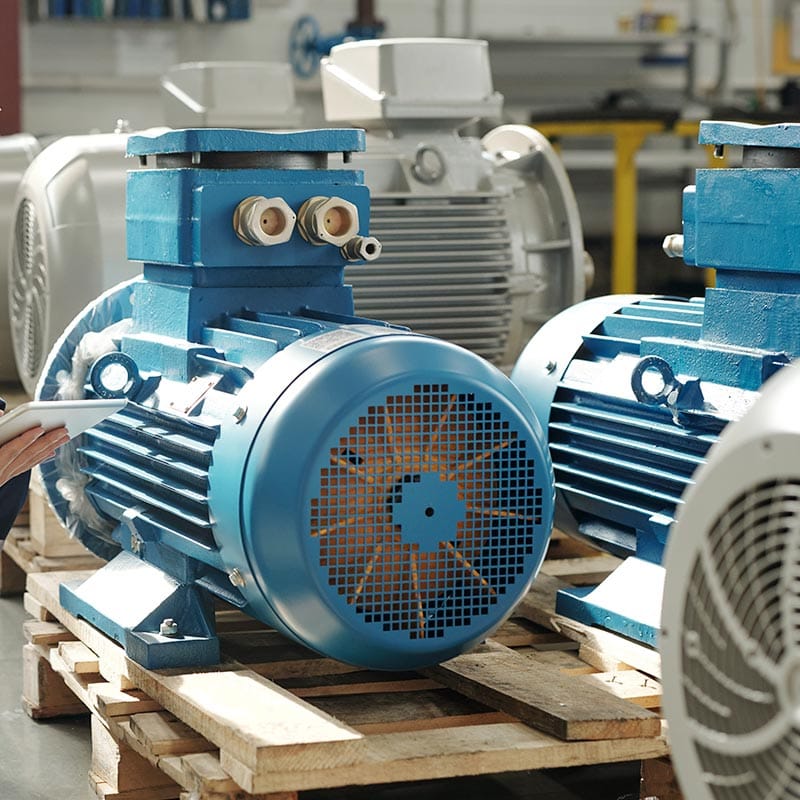
The terminal box provides the connection point between the motor and external electrical system.
Its design must support:
- Safe cable connection
- Proper electrical insulation
- Easy maintenance
- Environmental protection
The terminal arrangement depends on motor voltage, winding connection, and installation requirements.
Incorrect electrical connection can affect motor performance, so proper installation according to technical specifications is essential.
Materials Used in Three Phase Induction Motor Construction
Material selection influences motor performance and durability.
Common materials include:
| Component | Common material | Main purpose |
|---|---|---|
| Stator core | Electrical steel laminations | Reduce magnetic losses |
| Windings | Copper | Conduct electrical current |
| Rotor bars | Aluminum or copper | Carry induced current |
| Shaft | Steel | Transfer mechanical power |
| Housing | Cast iron or aluminum alloy | Provide protection and strength |
| Bearings | Steel components | Support rotation |
| Insulation | Electrical insulating materials | Protect windings |
The combination of materials determines motor efficiency, mechanical strength, heat resistance, and operating reliability.
How Construction Affects Motor Efficiency
The relationship between construction and efficiency is very important in industrial motors.
Several construction factors influence efficiency:
- Stator lamination quality
- Copper winding design
- Rotor resistance
- Air gap optimization
- Cooling efficiency
- Bearing performance
Better construction reduces energy losses and improves long-term operating performance.
For example, high-efficiency motors often use improved magnetic materials, optimized winding designs, and reduced mechanical losses.
Small manufacturing errors can affect vibration, efficiency, noise, and service life.
Quality control during production helps ensure that the completed motor meets its expected electrical and mechanical performance requirements.
Construction Differences Between Standard and Special Motors
Not every industrial motor requires the same construction approach.
Standard motors are designed for common operating conditions, while specialized motors may require additional design considerations.
Examples include:
Explosion Proof Motors
These motors require specialized enclosure and protection designs for hazardous environments.
Variable Frequency Motors
These motors may require insulation and cooling considerations suitable for operation with frequency converters.
High Efficiency Motors
These designs focus on reducing electrical losses through optimized electromagnetic construction.
Different applications require different construction priorities, which is why motor selection should always consider operating conditions rather than only rated power.
Importance of Manufacturing Quality in Motor Construction
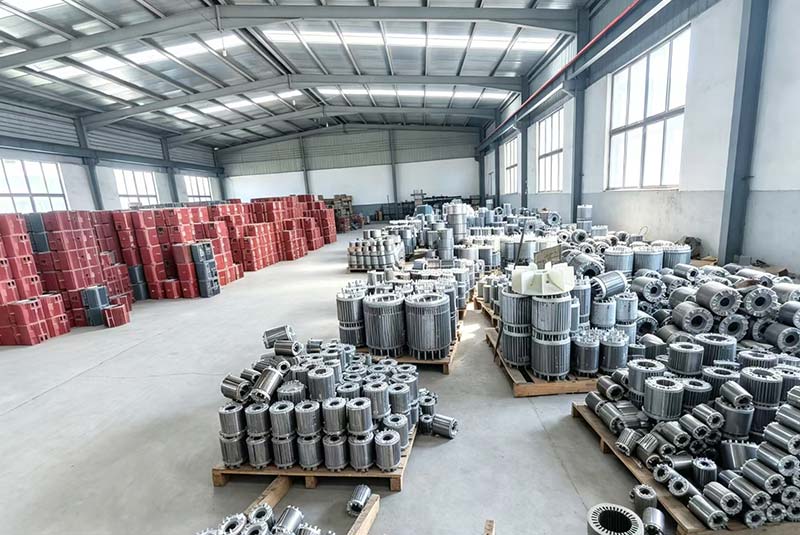
The final performance of a three phase induction motor depends not only on design but also on manufacturing accuracy.
Important manufacturing processes include:
- Core assembly
- Winding production
- Rotor balancing
- Bearing installation
- Insulation testing
- Performance testing
Small manufacturing errors can affect vibration, efficiency, noise, and service life.
Quality control during production helps ensure that the completed motor meets its expected electrical and mechanical performance requirements.

Conclusion
Three phase induction motor construction combines electrical design, mechanical engineering, material selection, and manufacturing accuracy to create a reliable industrial power solution.
The stator generates the rotating magnetic field, the rotor converts electromagnetic energy into mechanical rotation, and supporting components such as bearings, shafts, cooling systems, insulation, and housings ensure stable operation.
Understanding three phase induction motor construction helps engineers and buyers evaluate why different motors have different efficiency levels, protection requirements, speed characteristics, and application suitability.
When selecting an industrial motor, construction quality should be considered together with power, voltage, frequency, speed, load characteristics, operating environment, and maintenance requirements.
A properly designed and manufactured motor provides better reliability, efficiency, and long-term performance in industrial systems.
FAQ
What are the main parts of a three phase induction motor?
The main parts include the stator, rotor, shaft, bearings, frame, cooling system, insulation system, and terminal box. Each component contributes to electrical conversion, mechanical support, heat management, and reliable operation.
Why is the stator important in motor construction?
The stator creates the rotating magnetic field required for motor operation. Its core design, winding arrangement, and insulation system directly influence motor efficiency, speed characteristics, and electrical performance.
What type of rotor is commonly used in industrial induction motors?
Most industrial three phase induction motors use squirrel-cage rotors. They are popular because they provide strong mechanical construction, reliable operation, and low maintenance requirements.
How does motor construction affect efficiency?
Construction affects efficiency through factors such as magnetic materials, winding design, rotor resistance, air gap, cooling, and mechanical losses. Better design reduces energy losses and improves operating performance.
Why are bearings important in an induction motor?
Bearings support the rotating shaft and maintain proper alignment between rotor and stator. Good bearing design and maintenance help reduce vibration, noise, friction, and unexpected downtime.
Need Help Selecting the Right Industrial Motor?
Choosing an industrial motor requires evaluating more than power rating. Construction design, efficiency requirements, operating environment, load conditions, speed, and installation method all influence the correct motor selection.
For pumps, fans, compressors, conveyors, or other industrial equipment, provide your application requirements and technical specifications to discuss a suitable motor solution.